Research
Funding a first-of-its-kind BPAN program at Stanford, biomarkers and drug screening to find what changes the disease.
Stanford Medicine
Unknown to most. Devastating to all.
Isa Elaine Lazzara was diagnosed with BPAN, a rare form of childhood dementia, at one year old. Her story is why we exist, and why no child should face this disease without hope.
“We do not take from children; we only give.” Isa’s family covers our operating costs, so 100% of your gift goes to the work.
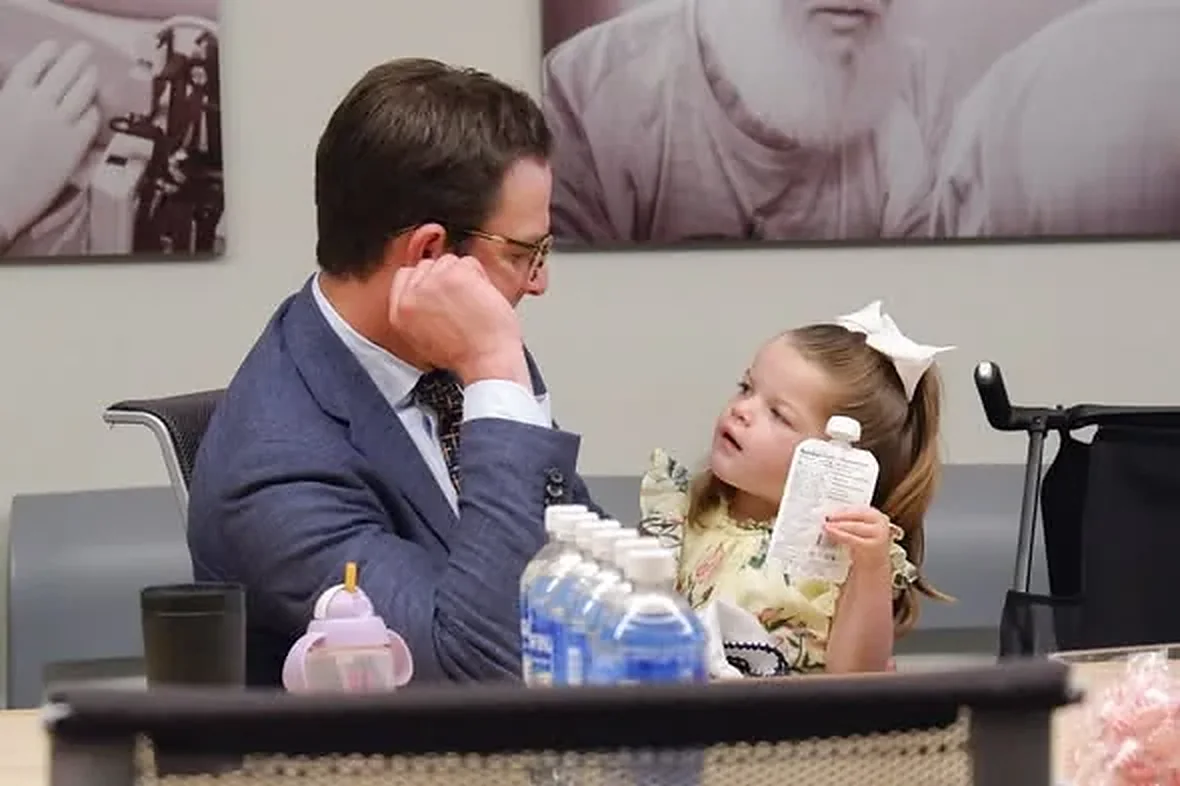


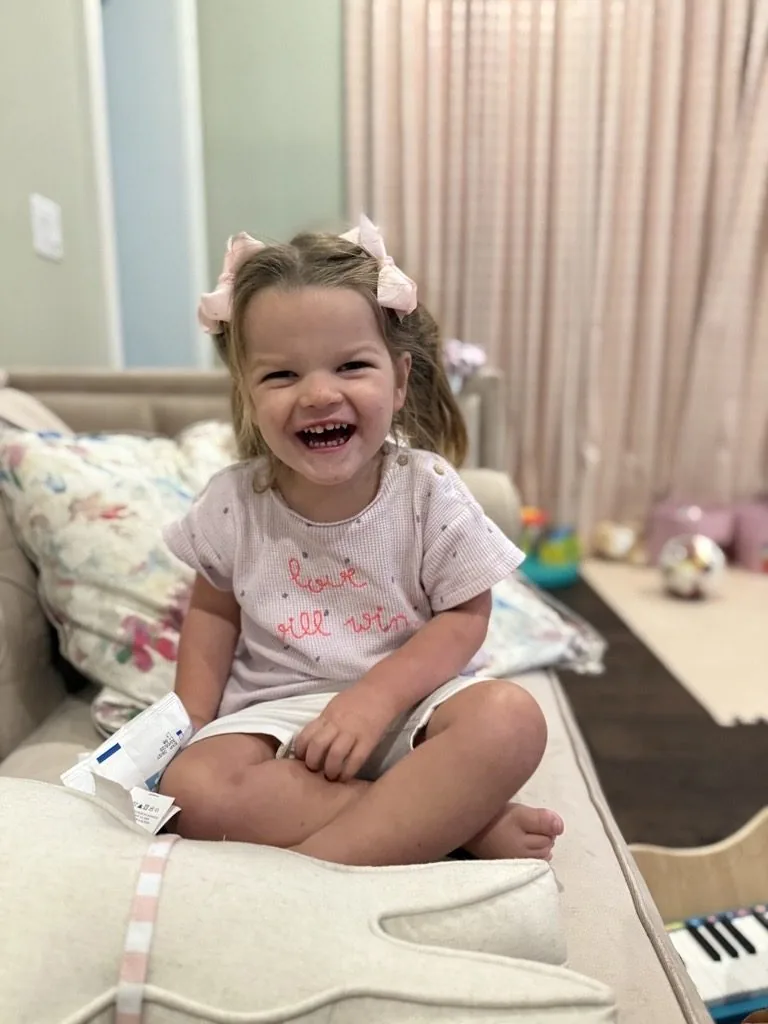
Isabella “Isa” (pronounced EE-sah) Elaine Lazzara was born in January 2023, a joyful little girl who loves to laugh. After a long search for answers, UF Health’s genetics team diagnosed her with BPAN on February 12, 2024. Isa’s case is severe: symptomatic before her first birthday, with aggressive progression.
“When Isa was diagnosed, we were told to take her home and make memories. We chose to fight instead, and to build something bigger than any one diagnosis. Thank you for standing with us.”
$760,000
cumulative giving to the mission since 2024, as of September 2026
Reflects gifts made by the Lazzara family and the Foundation. Updated as new gifts are confirmed.
Milestones, partnerships, and the moments moving the mission forward.

The Isa Elaine Foundation Brain Iron Disorders Care Program welcomed its first patients on July 30, three months after the gift that made it possible.

The Foundation joined the NBIA Disorders Association in Washington, bringing BPAN and childhood-dementia families to the people who shape national priorities.

A $200,000 gift seeds the Isa Elaine Foundation Brain Iron Disorders Care Program at UF Health’s Norman Fixel Institute in Gainesville.
Four beliefs hold this foundation together, and three fronts carry them forward.
Funding a first-of-its-kind BPAN program at Stanford, biomarkers and drug screening to find what changes the disease.
Standing with families now, in partnership with the NBIA Disorders Association, community, resources, and direct support.
Making childhood dementia impossible to ignore, in data, in health systems, and where priorities are set.
BPAN shares its disease biology with Alzheimer’s and Parkinson’s. The BPAN program we fund at Stanford Medicine, led by Dr. , could change the future for children like Isa and illuminate adult dementias along the way.
An intentionally small team of family, scientists, and operators, with operating costs covered by Isa’s family so giving flows to the mission.
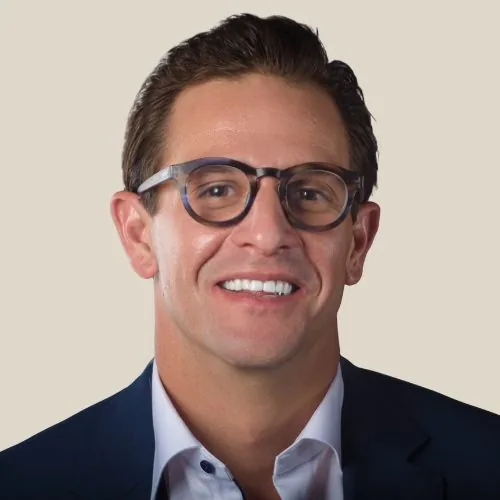
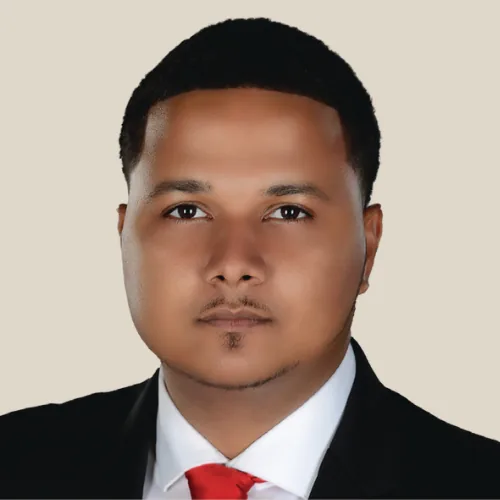
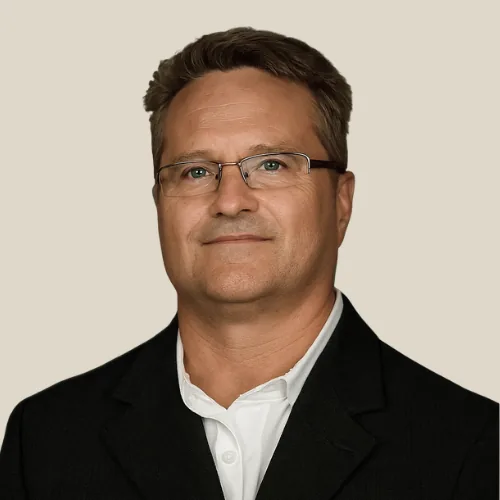
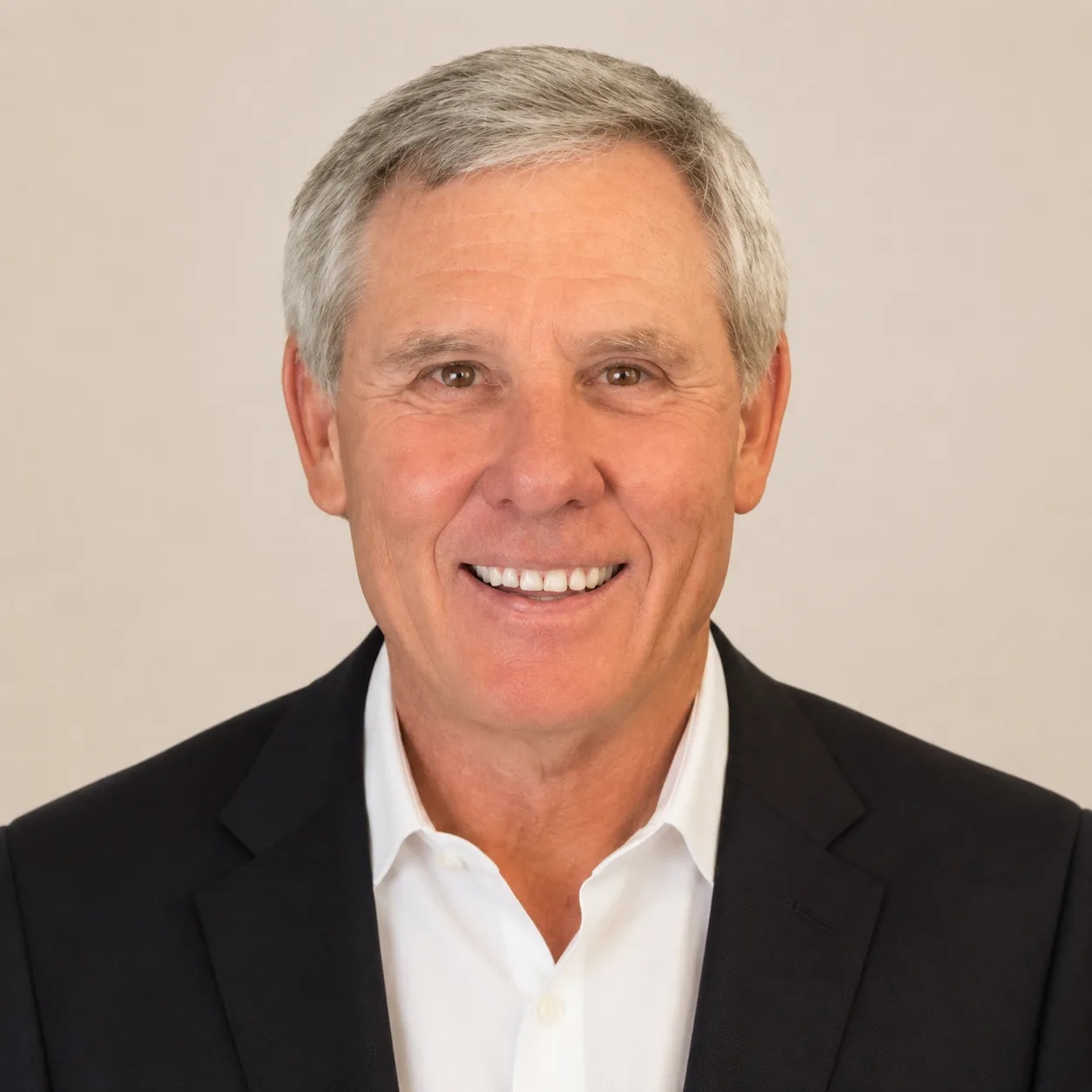
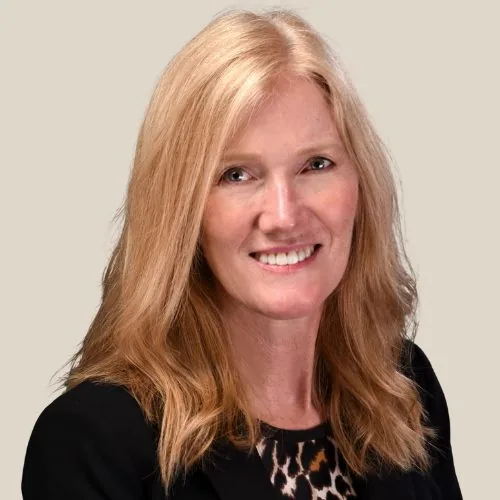
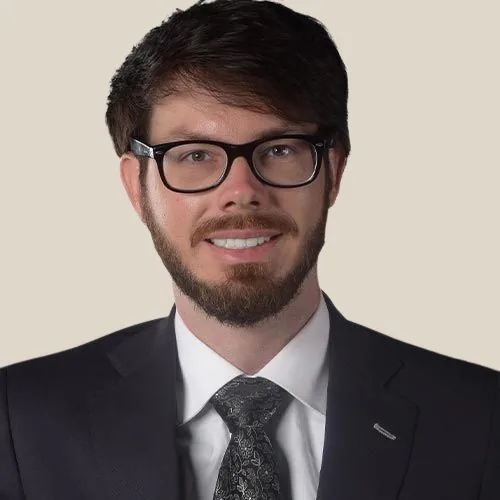
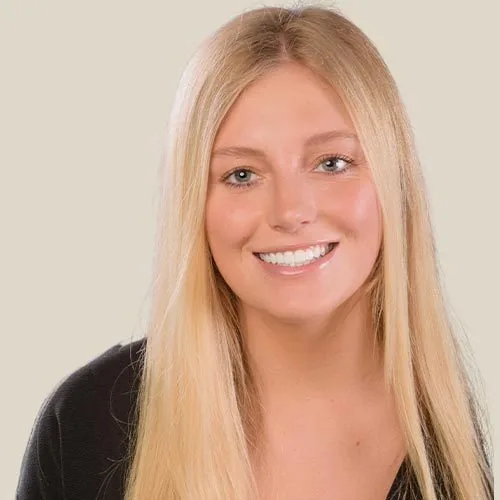
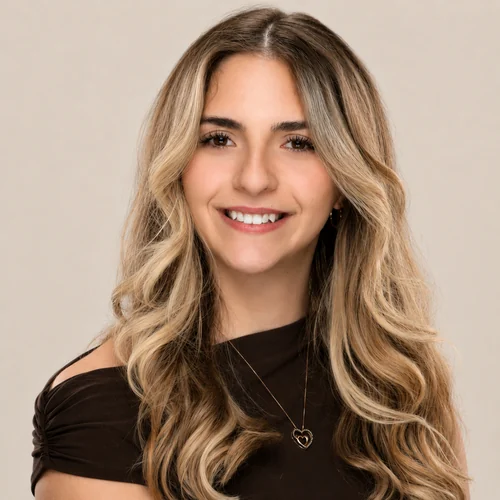
Behind the science is a little girl who loves to laugh, and a family determined that her story, and the stories of children like her, are never overlooked again.


“We do not take from children. We only give.”
Chris Lazzara, Founder
This is not a single-family campaign. It’s a coalition to advance family support, research, and advocacy for all children facing childhood dementia. Because Isa’s family underwrites operations, your gift flows directly to research, families, and advocacy, you choose where.
Restricted to scientific and clinical research, including the Stanford BPAN initiative.
Direct support for families living with BPAN and other NBIA disorders.
Let the board direct your gift to the greatest impact across all three fronts.